
Gear We Take on Early Winter Hikes
Early winter hikes live in the gray space between seasons.
One mile you’re crunching over frozen dirt under clear blue skies.
The next, you’re breaking trail through fresh snow with cold wind pushing down the canyon.
It’s a season that rewards preparation — not overpacking, but intentional packing.
Why Early Winter Gear Matters
Early winter is deceptive.
You don’t always need snowshoes.
You don’t always need full winter layers.
But you always need flexibility.
The goal isn’t to carry everything — it’s to carry the right things so you can stay warm, dry, and moving when conditions change halfway through the hike.
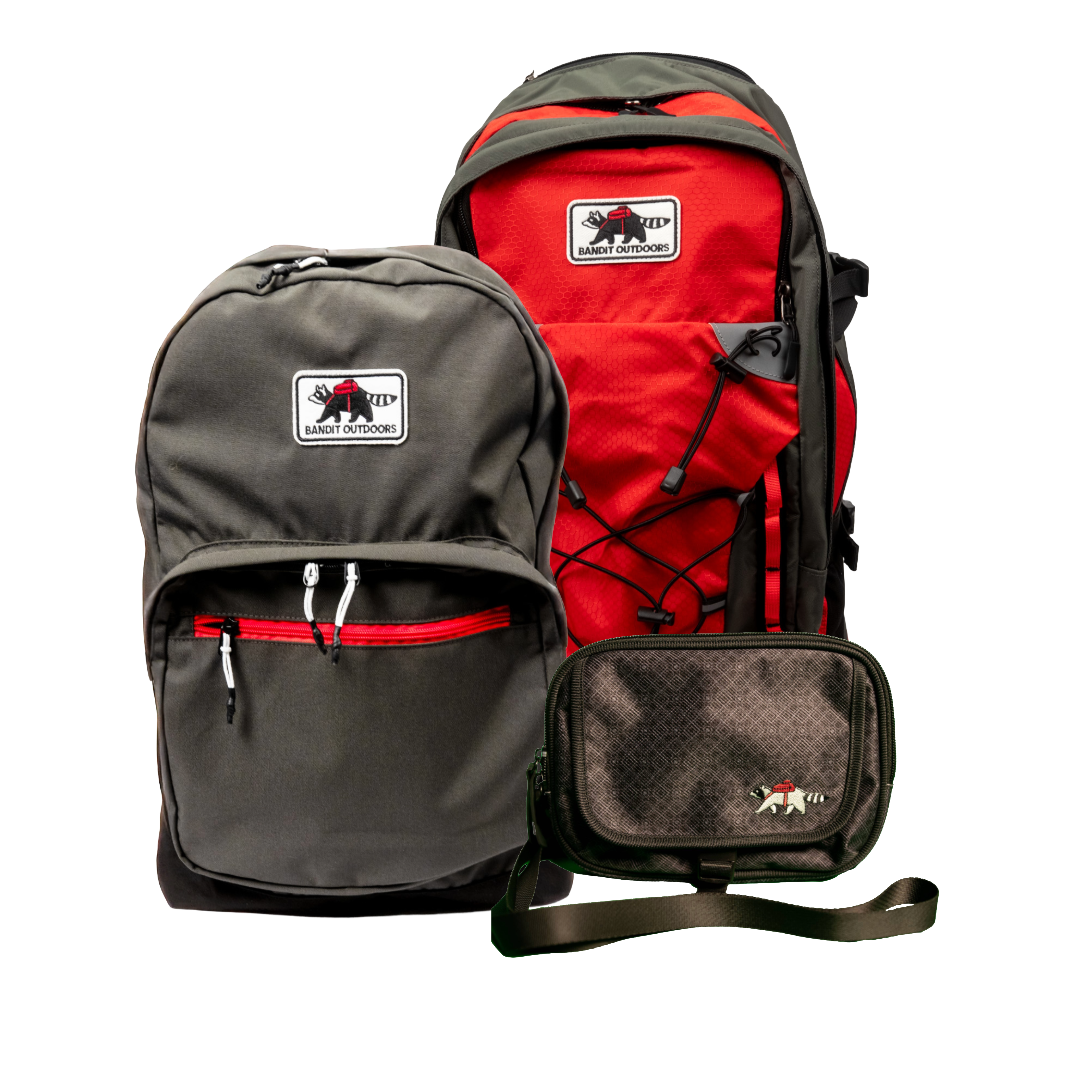
1. A Pack That Handles Layers (and Doesn’t Fight You)
Early winter hikes are constant negotiation.
Gloves come off. Hoods go up. A shell gets stuffed away, then pulled back out ten minutes later when the wind shifts.
Your pack becomes the piece of gear you interact with most — not just what you carry.
The right pack in early winter isn’t about capacity.
It’s about access and control.
That means a pack that:
- Opens easily without spilling everything
- Stays comfortable when it’s only partially full
- Keeps layers from becoming a tangled mess
You shouldn’t have to stop, dig, or wrestle your gear just to regulate temperature.

Trail Tip
If your pack makes you hesitate to stop and adjust layers, you’re more likely to sweat — and sweat is the enemy in cold weather. So a pack that opens wide and stays organized saves time, heat, and frustration.
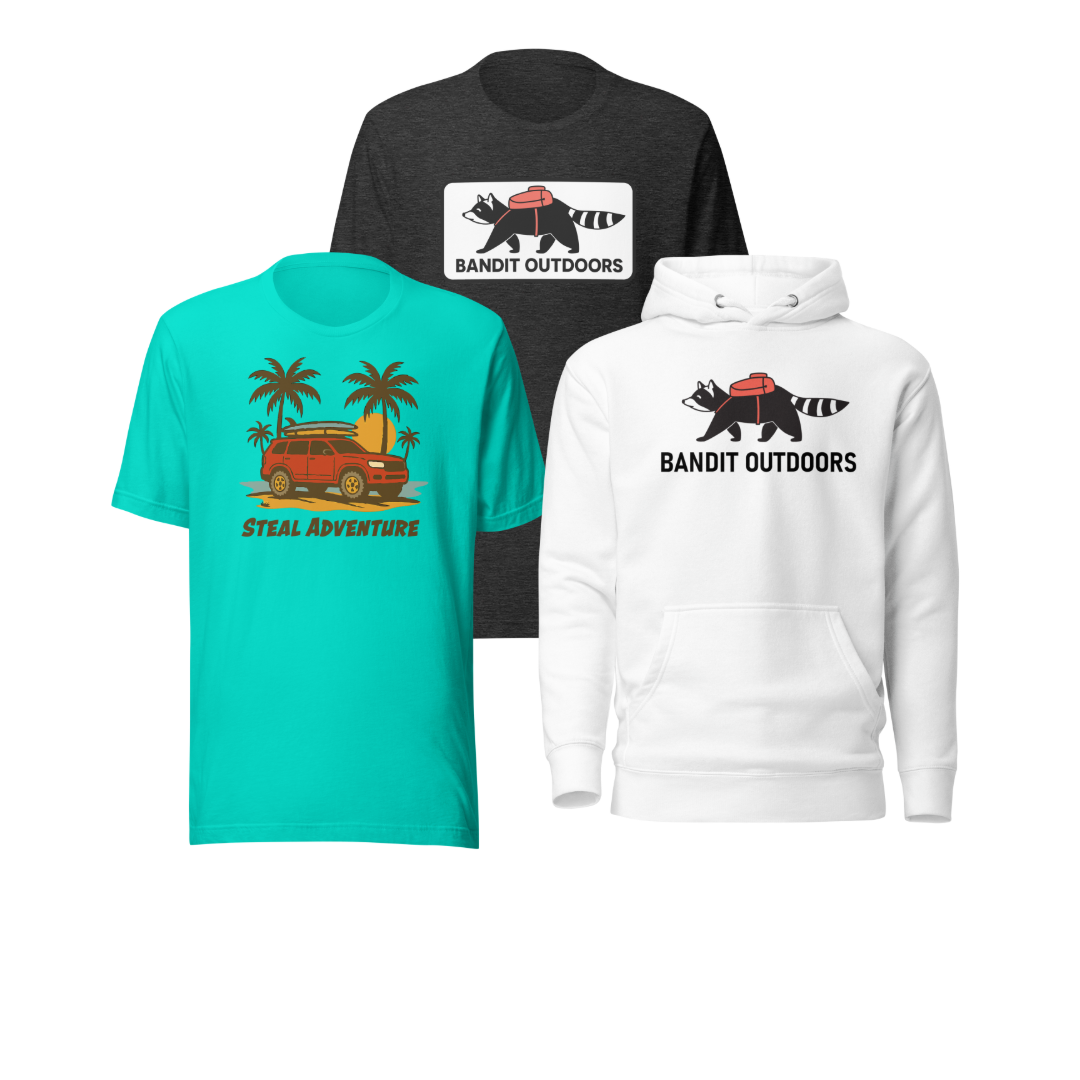
2. A Midweight Hoodie That Pulls Double Duty
Early winter hiking is all about modular warmth.
This is the layer that’s on when you start moving, comes off when you heat up, and goes back on the moment you stop. It needs to breathe while you’re climbing and still trap warmth when you pause.
A good midweight hoodie should:
- Breathe while you’re moving
- Trap warmth when you stop
- Layer cleanly under a shell
- Still feel comfortable if the sun comes out
This is the layer we reach for most often — warm enough to matter, light enough to adapt.
3. Shell Over Bulk — Always
Instead of heavy insulation, we rely on a breathable shell paired with smart layers underneath.
In early winter, wind and moisture matter more than raw warmth, especially on exposed ridgelines or shaded canyon walls.
A good shell should:
- Block wind
- Shed light snow
- Pack down easily
- Come out fast when conditions turn
You don’t need to wear it the whole time — you just need it ready.
4. Cold-Weather Essentials We Never Skip
These don’t take up much space, but they matter more than you think — even on shorter hikes.
We always carry:
- Gloves
- A warm hat or buff
- A headlamp
- Extra socks
- Simple calories (bars, jerky, trail mix)
Early winter days are shorter, temperatures drop fast, and small problems compound quickly when you’re cold.
Even when the hike feels casual, these are non-negotiable.
Pack Less. Think More.
Early winter isn’t about carrying more gear — it’s about carrying the right gear.
We’d rather move confidently than cautiously, earning quiet trails and crisp air instead of fighting our pack.
Pack smart. Layer well.
And don’t wait for perfect conditions to get outside.